
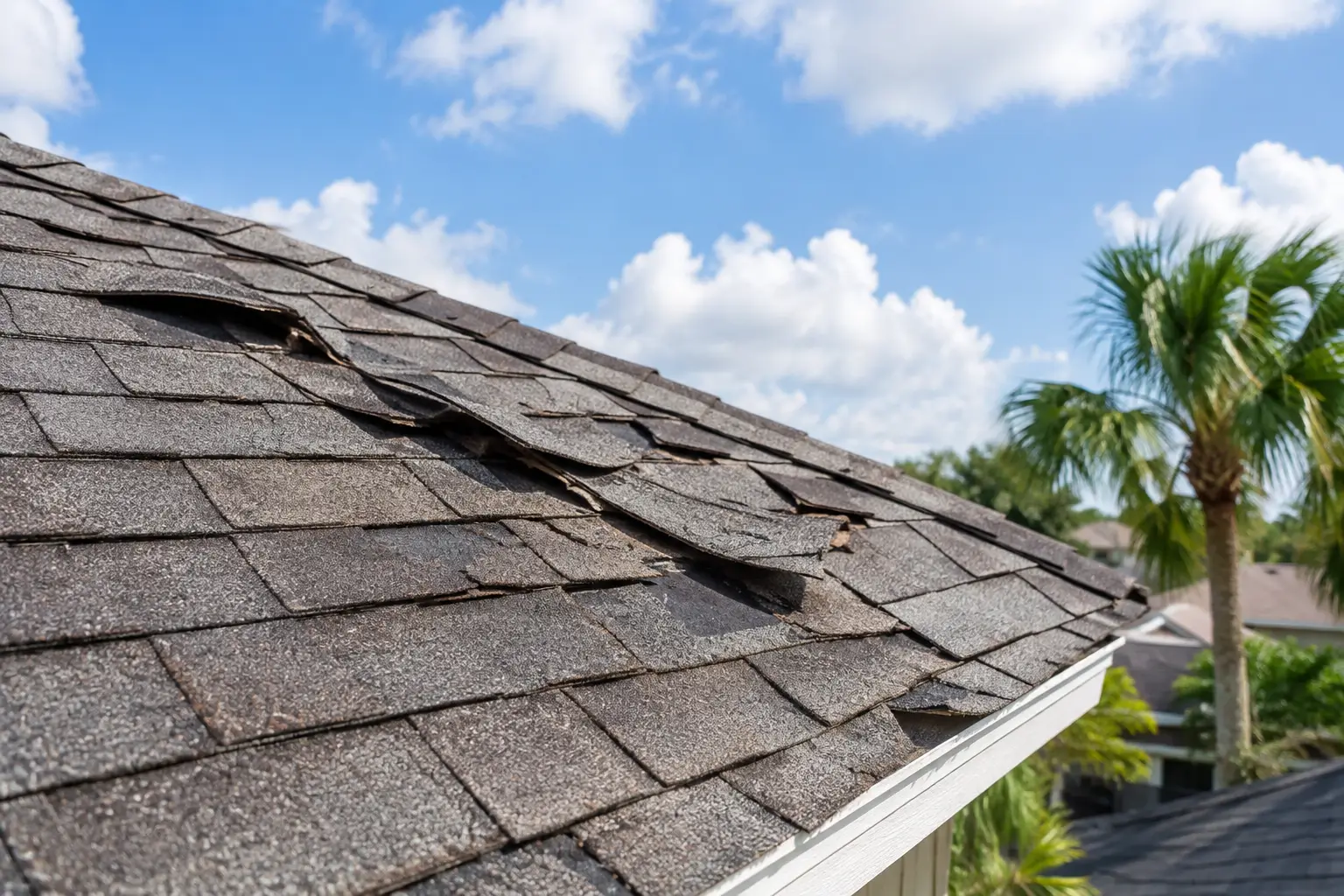
A roof can look fine from the driveway and still be one hard Florida storm away from a leak. That is often why roofs fail early: the damage starts in places homeowners cannot easily see, then heat, rain, wind, and time turn a small weakness into a costly problem.
In Central Florida, a roof is not simply exposed to the weather. It works through punishing UV rays, long stretches of humidity, torrential afternoon rain, tropical storms, and wind-driven debris. A quality roof should be built for those conditions. When it is not, its expected lifespan can shrink fast.
Why Roofs Fail Early: The Main Causes
Early roof failure rarely comes down to one bad day. More often, it is the result of installation details, material choices, maintenance gaps, or storm damage that went unnoticed. Knowing why roofs fail early helps homeowners act before a repair becomes a full replacement.
Poor Installation Creates Problems From Day One
Poor installation is one of the most common reasons why roofs fail early in Central Florida. Even premium shingles, metal panels, or tile cannot perform as intended when they are installed incorrectly. Improper nail placement, missing underlayment, poor flashing work, inadequate ventilation, and unsealed penetrations can all create weak points.
Flashing deserves special attention. It protects the areas where a roof meets a wall, chimney, skylight, vent, or valley. If flashing is bent, poorly fastened, incorrectly layered, or sealed with a short-term patch instead of proper materials, water can get behind the roofing system. The leak may not show up inside immediately. By the time a ceiling stain appears, moisture may have already affected decking, insulation, or framing.
A low bid can become expensive when it means corners were cut on labor, preparation, or materials. Homeowners should also be cautious about crews that appear after a major storm, promise fast work, and are gone before the next problem appears. A licensed, insured local contractor has a reputation to protect long after the job is complete.
Florida Heat Ages Roofing Materials Faster
Florida’s relentless sun is another major reason why roofs fail early here. Constant UV exposure can dry out asphalt shingles, weaken sealant strips, fade protective coatings, and make materials more brittle over time. Temperatures on the roof surface can be far higher than the temperature reported on the weather forecast.
That daily heating and cooling cycle also causes roofing materials to expand and contract. Over years, this movement can loosen fasteners, stress seams, open gaps around penetrations, and reduce the effectiveness of caulk or sealant. Darker roof colors may absorb more heat, but every roof needs proper ventilation and a system suited to the home.
Ventilation is not an optional upgrade. A poorly ventilated attic traps heat and moisture beneath the roof deck. That can shorten shingle life, encourage mold growth, raise cooling costs, and contribute to warped decking. The right solution depends on the roof design, attic layout, insulation, and existing intake and exhaust ventilation. More vents are not automatically better if they are not balanced correctly.
Wind and Rain Expose Small Weaknesses
Wind and rain are often the final piece of why roofs fail early, turning a small weakness into an active leak. Heavy rain does not need a large hole to cause damage. Water can follow the path of a lifted shingle, cracked boot, worn seal, open valley, or damaged flashing detail. Wind makes matters worse by pushing rain under roofing materials that normally shed water without trouble.
After hurricanes, tropical storms, or strong summer thunderstorms, homeowners often look for missing shingles. That is smart, but it is not the only sign of damage. Wind can break the adhesive bond beneath a shingle without tearing it off. It can also loosen ridge caps, shift metal flashing, crack tile, or damage the seals around vents.
A roof may continue to keep out water for a while after a storm, which is why hidden damage is so easy to overlook. But the next storm can turn a borderline condition into an active leak. A professional inspection after significant wind or hail provides a clear picture of the roof’s condition and documentation that may be helpful if an insurance claim is needed.
Poor Drainage Allows Water to Linger
Poor drainage is a quieter reason why roofs fail early, since standing water works slowly instead of all at once. Roofs are designed to move water away quickly. When water ponds on a low-slope commercial roof, collects in a valley, or backs up near clogged gutters, it has more time to find a path through seams and vulnerable details.
For shingle roofs, blocked gutters can cause water to overflow near the eaves and soak fascia boards. On flat or low-slope systems, drainage issues can place ongoing stress on the membrane and increase the chance of leaks. The fix may be as simple as cleaning debris, but it can also involve correcting slope, drains, scuppers, or damaged sections of the roofing system.
Trees add another drainage concern. Leaves, pine needles, seed pods, and branches build up in valleys and behind chimneys. During a hard rain, that debris can hold moisture where the roof needs to dry out. Overhanging limbs can also scrape roofing materials and become a direct impact hazard during high winds.
Repairs That Treat Symptoms, Not Causes
Understanding why roofs fail early also means recognizing when a repair is only masking the real problem. Roof repairs are often the right choice. Replacing a damaged boot, resealing flashing, or repairing a limited storm-damaged area can extend the life of an otherwise sound roof. The problem comes when repeated patches are used to delay a larger issue that needs a more complete solution.
For example, applying roofing cement over a recurring leak may stop water briefly, but it does not correct rotten decking, failed flashing, widespread shingle deterioration, or a ventilation problem. It can also make later diagnosis harder. A good repair begins with finding where water entered, not just where it showed up indoors.
Age matters here, too. A newer roof with isolated damage may be a strong repair candidate. A roof nearing the end of its service life with multiple leaks, granule loss, curling shingles, or widespread storm wear may be better served by replacement. The honest answer depends on the condition of the full system, not a single visible spot.
Warning Signs Your Roof May Be Failing Early
These warning signs are often the first visible clue explaining why roofs fail early on a property. Homeowners do not need to climb onto a roof to spot every concern. Start with a view from the ground and a look inside the attic after a heavy rain. Missing or lifted shingles, exposed nails, cracked tile, sagging areas, loose gutters, and debris-filled valleys all deserve attention.
Inside, watch for water stains, peeling paint, damp insulation, musty odors, or discoloration around vents and ceiling fixtures. These signs do not always mean the roof is the source, but they should never be ignored. Water can travel along framing before it becomes visible, so the stain may be some distance from the actual entry point.
A sudden increase in cooling costs can also point to attic ventilation or insulation issues. That does not automatically mean the roof is failing, but it is a good reason to have the roofing system evaluated as part of the bigger picture.
How to Help Your Roof Last Longer
The good news is that once you understand why roofs fail early, most of it is preventable with the right maintenance and inspections. The most practical protection is a regular inspection schedule. In Volusia County and across Central Florida, it makes sense to have your roof checked after major storms and at least periodically as it ages. An inspection can identify loose materials, damaged flashing, soft decking, drainage concerns, and early wear before they threaten the interior of your property.
Keep gutters and roof valleys clear, trim limbs away from the roofline, and address small repairs promptly. If you are planning a replacement, ask about the complete roofing system: underlayment, flashing, ventilation, fasteners, water barriers, and manufacturer warranty requirements. The visible roofing material matters, but it is only one layer of the protection over your home or business.
When reviewing an estimate, look beyond the final price. Clear scope details, quality materials, workmanship coverage, proper permitting, cleanup plans, and a contractor who will answer the phone after the job all carry real value. A roof is a long-term investment, not a place to gamble on the fastest promise or cheapest number.
If you have concerns after a storm or notice any of these warning signs, a free roof inspection from a trusted local professional can replace uncertainty with clear answers. GRIT Roofing treats neighbors like family and helps property owners understand what their roof needs now, what can wait, and what will protect the property for years ahead.