
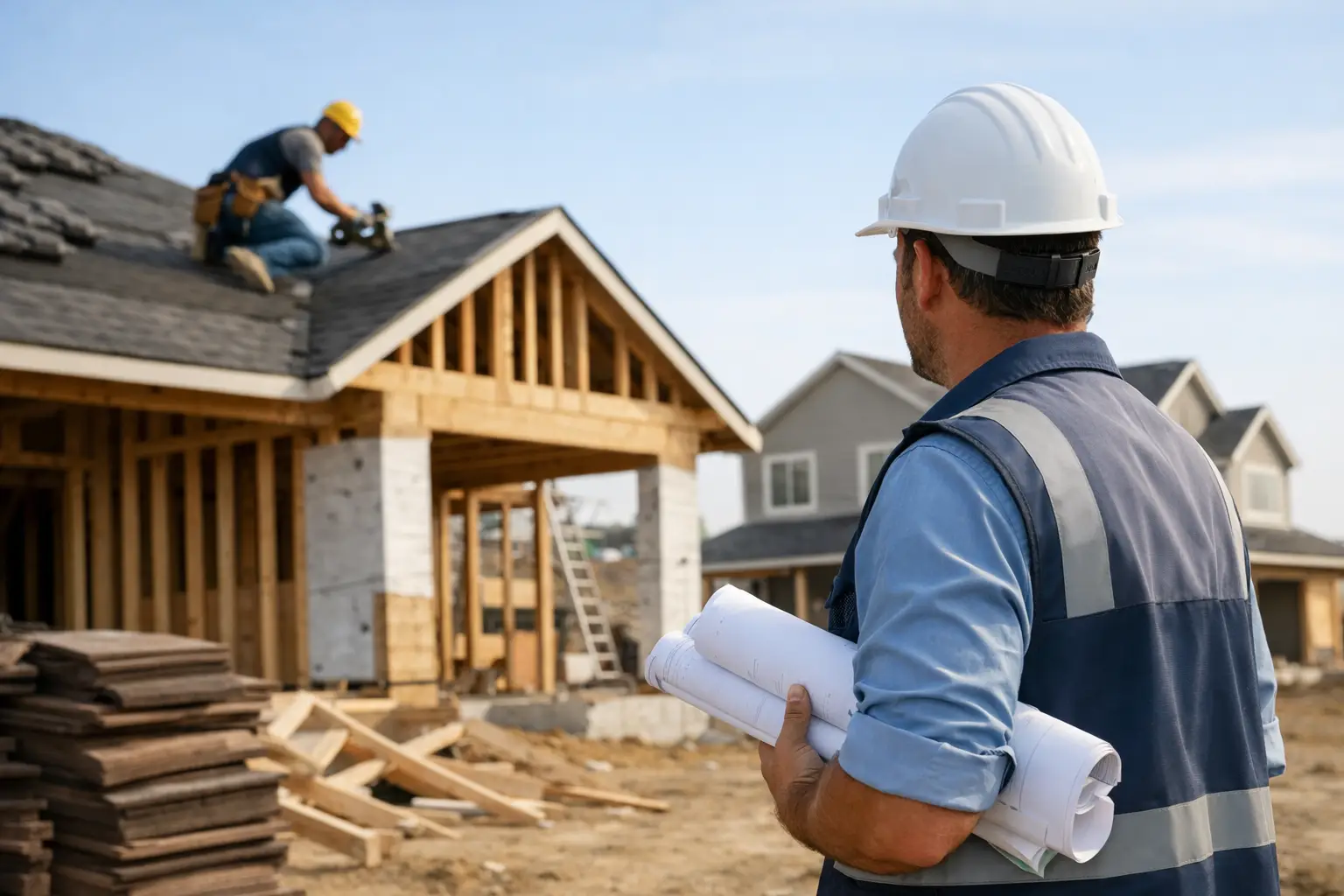
For homeowners, builders, and property owners in Central Florida, roofing on new construction is not just about getting shingles or tile installed. It is about making sure the system is designed for heat, wind, heavy rain, ventilation, code compliance, and long-term performance. A roof that looks fine on day one will still become an expensive problem if the details underneath were rushed or missed.
What a new construction roofing contractor actually does
A good new construction roofing contractor does more than install the visible roof covering. The job starts with reviewing plans, matching the roofing system to the structure, coordinating with the builder, and making sure materials, underlayment, flashing, ventilation, and fastening methods all work together.
On a new build, timing is everything. The roofer has to be ready when the structure reaches the right phase, and the installation has to line up with other trades without causing delays. If that coordination breaks down, you can end up with water intrusion, failed inspections, damaged materials, or a compromised schedule that leads to sloppy work.
This is also where local experience matters. In Florida, a roof has to stand up to more than just sun and afternoon rain. Wind uplift requirements, proper ventilation, flashing details, and material choices all need to fit local conditions and code expectations. A contractor who understands that environment brings more value than one who simply offers the lowest number.
Why new construction roofing is different from replacement work
Roof replacement and new construction can look similar from the street, but they are not the same job. On a replacement project, the contractor is working with an existing structure and often replacing old problems. By hiring a specialized new construction roofing contractor, the roofer is part of creating the full assembly from the start.
That changes the stakes. Every component has to be installed in the right sequence, and mistakes can affect the rest of the build. If wall penetrations are not planned well, other trades may need to rework their parts. If flashing is handled poorly, water can find its way in before the building is even finished. If ventilation is miscalculated, the home may deal with heat and moisture issues for years.
A reliable contractor treats the roof as part of the whole building system. That is especially important in a place like Volusia County, where weather can test every shortcut.
How to evaluate a new construction roofing contractor
Start with licensing and insurance, but do not stop there. Those are the baseline. You also want to know whether the contractor has deep experience with new builds, not just repairs or reroofs. Ask what types of roofing systems they install most often and whether they have tackled projects like yours in terms of size, design, and complexity.
It also helps to ask how they handle city and HOA permitting, scheduling, and communication. A strong contractor can explain their process in plain language. They should be able to tell you when materials are ordered, how they coordinate with the builder or superintendent, what inspections are required, and how they manage weather delays.
Manufacturer certifications can be a strong signal too, especially when they back up better warranty options. That does not guarantee quality by itself, but it shows the contractor has met certain standards and training requirements. In roofing, details matter, and a trained installer is less likely to make costly mistakes.
Questions worth asking before you sign
Some roofing bids look similar until you start comparing what is actually included. Before signing with any new construction roofing contractor, ensure you know exactly what underlayment will be used, how flashing will be installed, what ventilation plan is recommended, and whether the estimate includes all roof penetrations, valleys, drip edge, and clean-up.
You should also ask who will be on site and who is responsible for quality control. Some companies sell the job, then hand everything off with little oversight. Others stay involved from scheduling through final walkthrough. That difference shows up fast when something needs attention.
Another smart question is how the contractor handles changes. New construction often involves revisions, whether that means a design adjustment, a material lead-time issue, or a schedule shift. You want a roofer who can adapt without creating confusion or surprise costs.
Material choice matters more than most people think
The right roof for a new home or commercial building depends on budget, style, structural design, and performance goals. Asphalt shingles remain a common option because they are cost-effective and offer solid protection when installed correctly. Metal roofing is attractive for durability and wind resistance, but it comes with a higher upfront cost and requires experienced installation. Tile can be an excellent fit for Florida architecture, but it is heavier and may affect structural planning.
There is no one-size-fits-all answer. The best new construction roofing contractor will explain the trade-offs honestly. A cheaper material can save money now but may not deliver the lifespan or storm performance you want. A premium system may be worth it if it lowers maintenance concerns and better matches the value of the property.
That is where clear guidance matters. Homeowners should not have to sort through product jargon alone, and builders should not have to chase down basic answers during a busy schedule.
Why local knowledge matters in Florida
Roofing in Florida comes with its own set of pressures. High heat, heavy humidity, sudden storms, and strict hurricane-season wind requirements (like those established by the Florida Building Code) all affect how a roof should be built. A new construction roof in this region is not just a fresh start; it is a front-line defense for the entire structure.
That local knowledge influences everything from material recommendations to fastening patterns to ventilation design. It also matters when it comes to permitting and inspections. Building a code-compliant roof is not just about passing one inspection; it is about installing a system that can hold up in real weather after the crew leaves.
This is one reason many property owners prefer working with a local company instead of taking a chance on an unfamiliar contractor. A local roofer has a reputation to protect in the same communities they serve. If warranty support is ever needed, accountability is close to home.
Red flags to watch for
If a new construction roofing contractor gives a vague proposal, avoids detailed questions, or pressures you to sign before reviewing the full scope, pay attention. New construction roofing should be planned carefully, not rushed through with half-answers.
Another red flag is a price that comes in far below everyone else’s. Lower cost is not always a problem, but in roofing it often means something has been left out. That could be labor, underlayment quality, flashing details, supervision, or warranty coverage. Those missing pieces usually become your problem later.
Poor communication is just as serious. If a contractor is hard to reach before the job starts, do not expect that to improve once your project is underway.
What the right contractor relationship looks like
The best roofing projects feel organized from the beginning. You know what is being installed, why it was recommended, who is in charge, when it will happen, and what happens if weather causes delays. Communication is consistent. Pricing is transparent. The workmanship is backed by real warranty protection.
That kind of experience does not happen by accident. It comes from a contractor who values craftsmanship, scheduling discipline, and customer trust just as much as production speed. For a new build, that balance matters just as much as setting the final shingle.
For property owners in DeLand and across Central Florida, working with a contractor who understands roofing, the local environment, and the building process as a whole can make the project smoother from start to finish. Companies like GRIT Roofing bring that broader perspective, which helps when your roof is one piece of a much larger investment.
A new build gives you one chance to get the roof right from the start. Choose a contractor who treats that responsibility with the seriousness it deserves, and the rest of the project has a stronger foundation to build on.